Events and Media
How to Turn One Event Into Months of Useful Content
To turn one event into months of useful content, plan your interviews for later use before the event. Capture complete answers, then release them on a schedule that follows what your audience needs to learn.
The footage from your event needs a plan for the day after the recap. Those answers should keep helping people after the news of the event fades.
A full hard drive does not tell the team what to make next. You have to connect what you capture to the questions your audience needs answered.
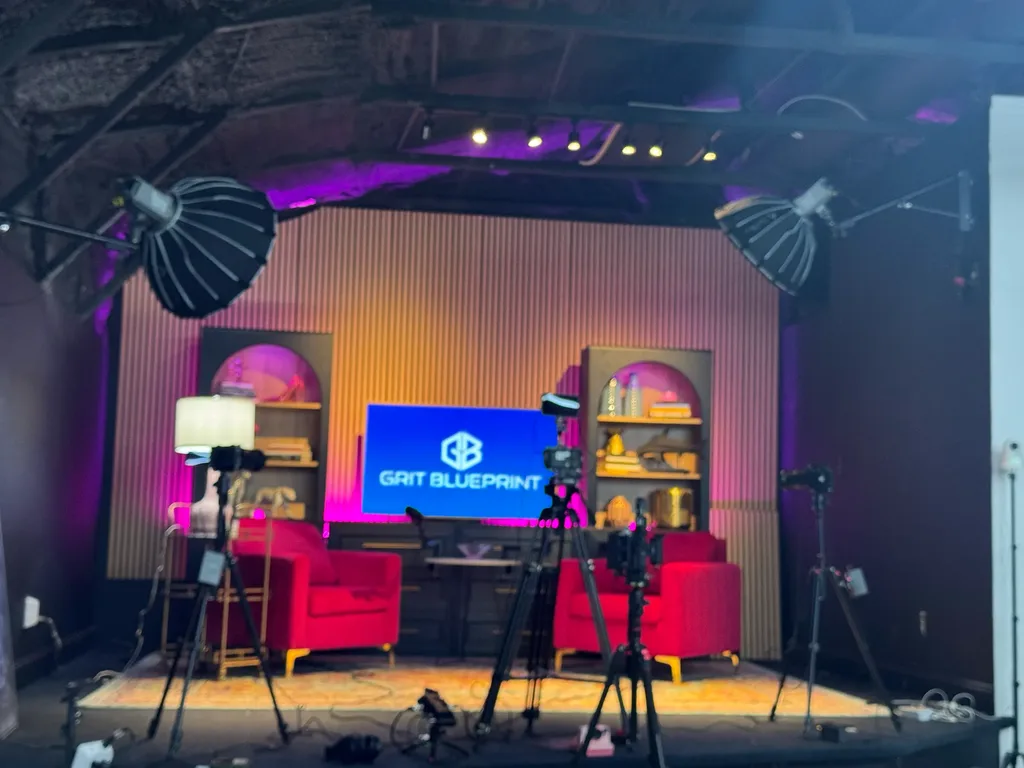
I host Behind the Build and The Grit Blueprint Podcast, and our team at Grit Blueprint produces stories for Grit Guide. A good answer deserves more than one use.
Plan the content before the camera crew arrives.
Pick the audience, the question, and the expert who can help. Then plan the shots that make the answer easier to understand.
Capture Answers With a Later Use
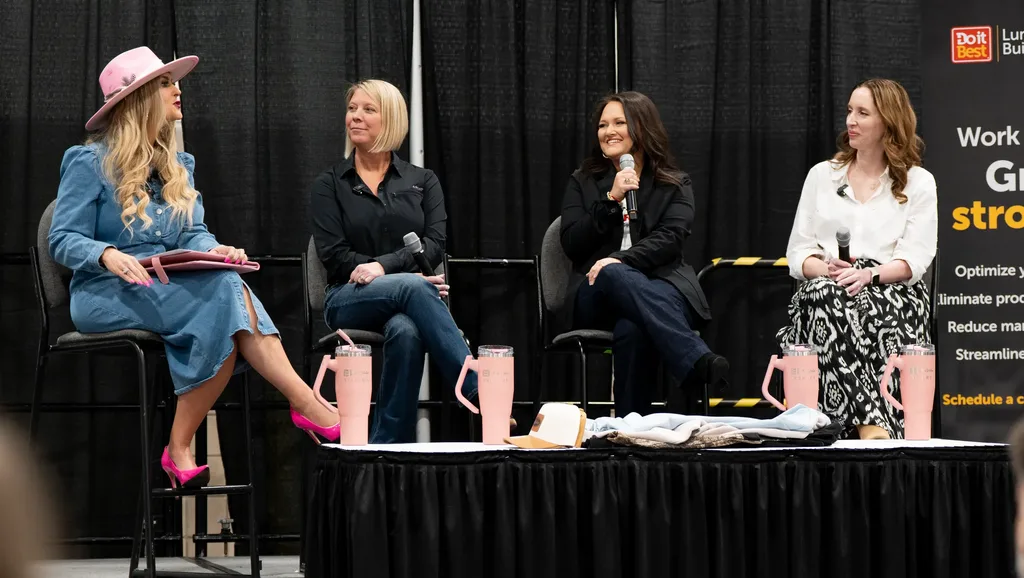
I hosted a marketing panel at a spring trade show, and we published the conversation as a full podcast episode. Later, we shared a video post that focused on one panelist’s advice and linked back to the episode.
That part of the conversation was about building on what already works for your store, your market and your customers. It was specific enough to share on its own.
Someone could come across that one idea without sitting through the whole panel. If they wanted the rest of the discussion, the full episode was there. We had more than one way to use what we’d already recorded.
Plan for that before the event. Ask for a few distinct answers, each one useful on its own. Get close views of whatever the expert talks about. A wide shot of the booth cannot do that job.
Ask the expert to finish the thought. A clip that starts with “that one” will need more context once it leaves the full interview. Name the option and the condition that makes it relevant.
Confirm what can be recorded and how it can be used. Get names and product references right while the expert is there to help.
Build the Release Plan From What You Have
Here is a sample plan for a filmed interview with a product expert. The audience is dealer sales staff, and the subject is helping a buyer choose among options in one product line. Suppose the interview gives you the complete answers and footage you planned. Here is how you could use them across three months.
Month 1: Teach the choice. Publish the full interview with a short preview. Dealer staff can learn the whole comparison and hear the source. Then share a clip about the first question to ask a buyer. Give the rep a place to use it on the next sales call.
Month 2: Help the sales conversation. Turn the comparison into an article. Put the choices, limits, and checked product sources in one place. Write a short email that a rep can adapt for a buyer who needs that help. Link to the article and explain why it fits the buyer’s question.
Month 3: Bring one detail back. Pair a focused answer with the close view of the feature. This piece should explain one choice on its own. Add the new clip to the resource page with the full interview and article. Remind the sales team where to find them.
Each piece has a different job. The schedule follows what the audience needs. A third month of “We had a great time at the show” gives them much less to use.
The plan also depends on the source material. If the interview does not explain a choice well, get a follow-up answer or leave that piece out. More formats will not repair a missing explanation.
Keep the Facts With the Footage
A product claim can age while the video stays the same. Before a later release, have the right person check the facts. That includes names, options, and claims that may have changed.
Keep the full answer available to the editor. A short cut should retain the conditions that made the answer true. An article needs its own shape and a check against what was actually said.
Assign the work from capture through release. Someone owns the fact check. Someone chooses the cut. Someone approves it. The finished pieces need a home the sales team can find.
For your next event, choose one audience question. Map its path from the interview to later use. Put the needed answer, shot, source, and owner in the capture brief.
That is how the event keeps teaching after everyone has gone home.